Ask ten D2C founders which channel works best, and you’ll get ten different answers. One swears by Instagram ads, another by WhatsApp, and a third says SEO changed everything. They’re all right, for their own brand at their own stage.
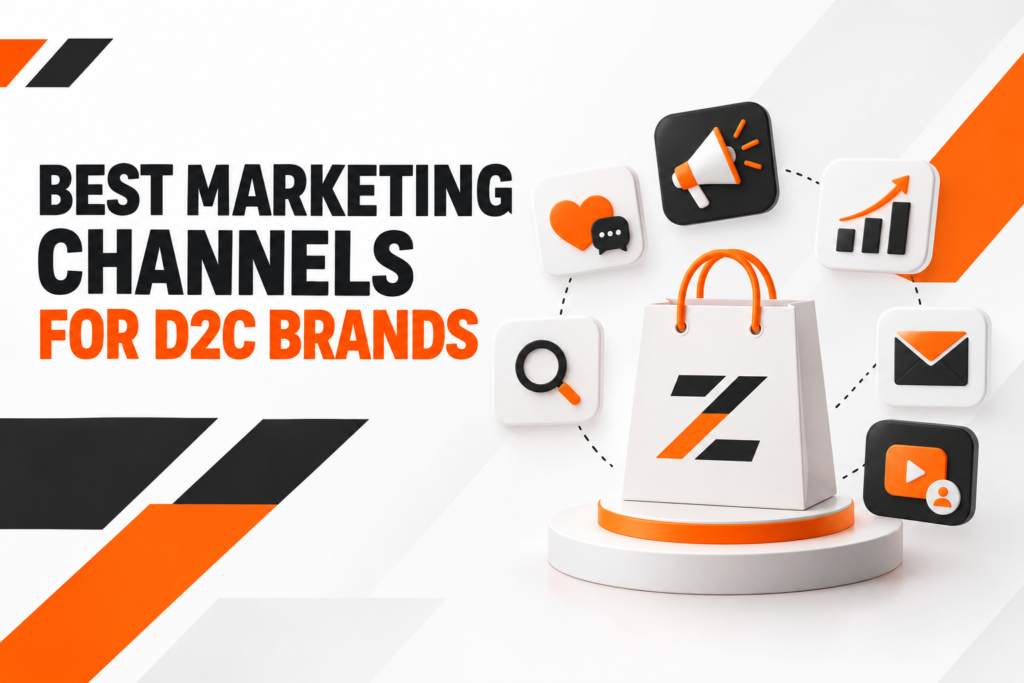
So here’s the short answer. The best marketing channels for D2C brands are SEO, Meta Ads, Google Ads, email, WhatsApp, and creator content. What matters is the combination: one channel to get noticed, one to catch people who are ready to buy, and one to bring buyers back.
This post is for website builders, ecommerce owners and students who want to understand how direct-to-consumer brands actually find customers.
What does “best” actually mean?
A D2C brand sells straight to the customer, with no retailer in between. You control the whole journey, but every rupee of marketing also has to earn its place.
When we look at a channel, we ask three things. Does it reach the right people? Can we see what it earns? Can the team keep it running week after week? If the answer to any of these is no, it isn’t the best channel for you, however well it worked for someone else.
SEO and content marketing
People search when they have a problem or a purchase in mind. Rank for those searches and visitors arrive without you paying for each click. The catch is patience, because most brands need a few months before they see real movement.
Start with product and category pages, then write blog posts around questions customers ask, then add comparison pages. A skincare brand might write about oily skin in humid weather and send readers to its gel moisturiser page. It’s a simple approach, and it works.
AI SEO tools help a lot here. They speed up keyword grouping, content outlines and competitor checks. They also get things wrong, and they don’t know your customer. Someone on your team still has to read the output and decide what deserves to be published.
Meta Ads
Instagram and Facebook ads suit products people buy on impulse or by look, like fashion, decor, beauty and snacks. You’re interrupting someone’s scroll, so the first two seconds of your video matter more than the size of your budget.
Use Meta to test. Run a few hooks and a few offers, then see what sticks. Don’t let it become your only source of orders, because ad costs rise and creatives go stale faster than most founders expect. Swap them out every couple of weeks, and judge results by cost per customer instead of clicks.
Google Search and Shopping ads
Someone typing “air purifier for small bedroom” is close to buying. Google ads put you in front of them at that moment, so they usually convert better than social ads, though each click costs more.
Shopping ads work best for stores with tidy product feeds and clear photos. Run them alongside your SEO so you show up in both paid and organic results for your most valuable keywords.
Email and WhatsApp
Winning a new customer costs far more than selling again to someone who already bought. Email and WhatsApp let you do that without paying a platform every time.
Good uses include a welcome message, abandoned cart reminders, order updates and a nudge when a product is about to run out. WhatsApp is especially strong in India because people open it constantly. Just don’t spam. Split your list by what people bought and how often, and write to each group differently.
Influencers and user-generated content
New brands have a trust problem. A creator saying “I’ve used this for a month” does more than any polished ad. Pick people whose followers look like your customers, let them speak in their own words, then reuse the best clips in ads and on product pages. Count sales, not views.
How to choose your channel mix
Here’s a rough guide:
- Just launched: Meta for testing, Google for ready buyers and some honest organic content.
- Growing: Add email, WhatsApp, creators and steady SEO work.
- Bigger: Look at marketplaces and affiliates, but keep your own website at the centre.
Watch blended acquisition cost, repeat purchase rate and profit per order. The dashboards inside ad platforms tend to flatter themselves. A good performance marketing agency earns its fee by tying spend to actual profit, and by running the creative testing that small teams rarely have time for.
When does an agency make sense?
Plenty of founders run things alone at first, and that’s fine. Help becomes worthwhile when results stall, ad costs creep up or you’re juggling more channels than you can handle.
A D2C marketing agency puts strategy, creative, SEO, paid ads and reporting in one place. Primexcale is a D2C and digital marketing agency in Jaipur that works across SEO, content, social media and paid advertising. If you’re looking for an SEO company in Jaipur that understands ecommerce growth beyond the city, that’s the kind of work we do.
Frequently asked questions
Which marketing channel is best for a new D2C brand?
Start with Meta Ads to get discovered, Google Search to catch people ready to buy, and simple organic content to build trust. Learn what works, then expand.
Is SEO worth it for a D2C brand?
Yes. It’s slow at first, but it brings traffic without a cost per click. Starting early gives you an asset that lowers your reliance on paid ads over time.
How many channels should a D2C brand use?
There’s no magic number. Add a channel only when you can fund it, measure it and manage it. Three well-run channels usually beat eight neglected ones.
Can students learn D2C marketing without a big budget?
Yes. SEO, organic social media and email cost mostly time. Free tools and AI SEO tools make research and planning much easier to start with.
Conclusion
The best marketing channels for D2C brands are the ones that fit your stage, your customers and your ability to measure results. Pair a discovery channel with an intent channel and a retention channel, and only add more once the basics are solid.
If you’d like a roadmap built around your brand, get in touch with the Primexcale team. We’ll help you pick the channels, shape the strategy, and turn first-time buyers into repeat customers.